The troops camped in bitter cold, without food, without firewood, and without pay. They bunkered down against the snow and wind, fighting off frostbite and counting the minutes until springtime and a return to the fight.
The miracle of the winter of 1778 was not just that Washington’s army survived, but that they were willing to suffer for little more than an idea. They were patriots of a country not yet fully formed, subsisting on concepts—liberty, fraternity, hope—and from their struggle, a nation was born. A parking lot, too. I couldn’t help but think of the countrymen who endured here as I searched for a place to leave my car beside the Valley Forge Casino.
Funny things happen when a major championship comes to your hometown. You notice things you have long taken for granted, slipping on the sunglasses of an outsider for whom your daily mundanities are suddenly compelling. For years I drove my daughters to a preschool within the boundaries of Valley Forge National Park, and the only thing I noticed was the substitute-driving grandparents who entered the drop-off line from the wrong end. I didn’t take stock of the timber cabins still standing beside bike paths, or feel any gratitude for the warmth of my car. As I pulled into media parking at the casino beside the park, I paused and recalled that Valley Forge was more than an exit off Route 202, and that all the visiting faces on our shuttle to Aronimink might see the signs and recall a grade-school history lesson about the winter that won the Revolution.
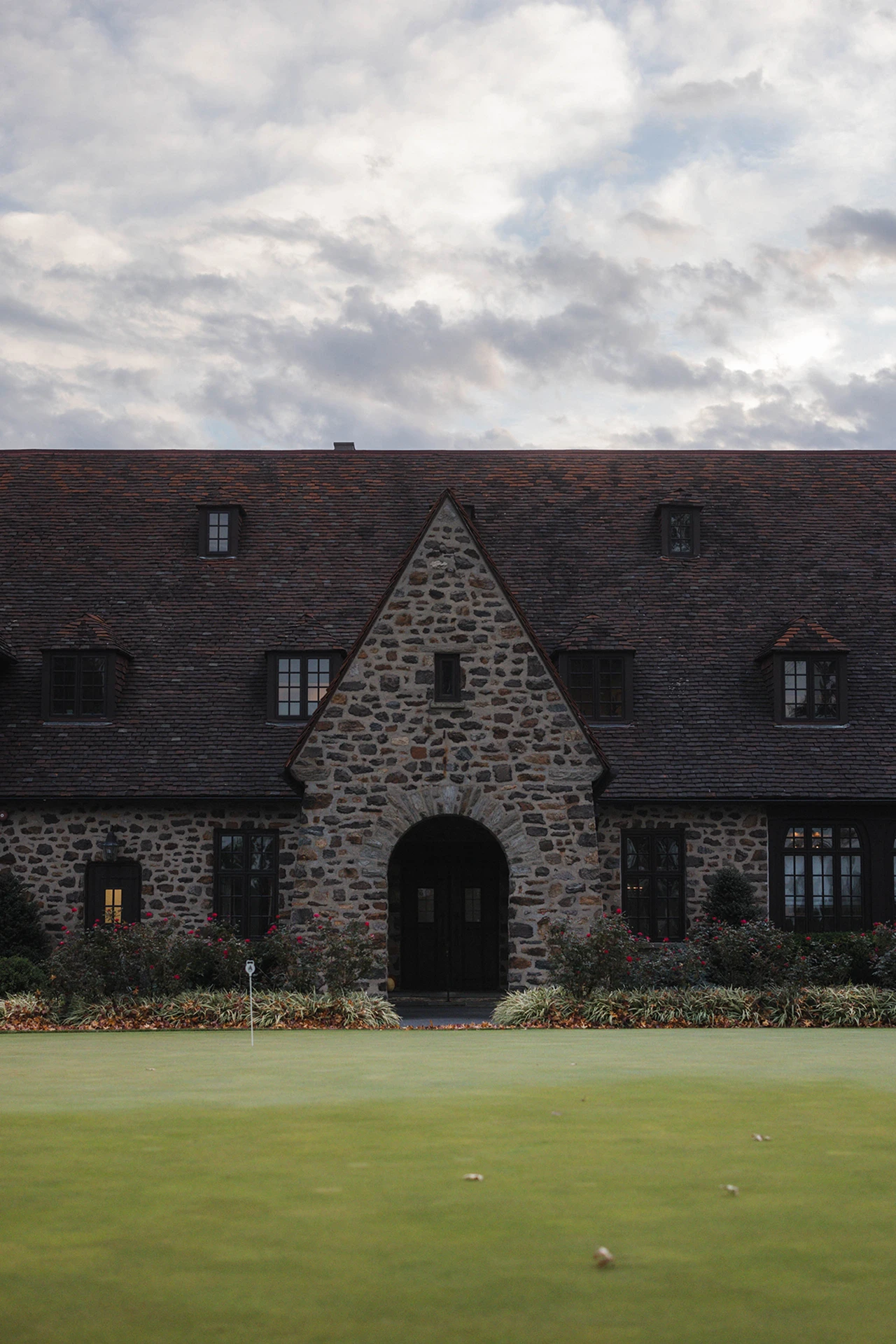
Big-time golf in your neighborhood is a curious privilege (my backtracking shuttle commute belies the proximity, but I live a few minutes from the golf course). Your kids wonder why there’s a blimp above the house, and every day you wake with a tingle of excitement—the best players in the world are just over there, driving our streets, ordering takeout from our restaurants, buying Zyns at our Circle K (my gas station lady bragged to me that someone “very, very famous” was in there yesterday, but she had no idea who he was).
You are here with them, but you’re not. Your hometown is the same, but it isn’t. Police cars and flashing lights and parking detours remind you that something is happening, but unlike the other tournaments you’ve traveled to, they only feel half-relevant. They matter when you’re a visitor going to see golf, but they’re mostly in the way when you’ve got to get the kids to school or drop them at ballet practice.
The rhythm of a tournament week on the road—up early, to the course, breakfast on site, plow through the merch tent, lock in a vantage point, clean up for an evening of chasing free food and drink at golf-brand shindigs—is a drumbeat that’s harder to hear over your regular home cadence of pick-ups and homework and bedtimes. This past weekend, our regular burger pub was overrun with golf logos and men dining in teams of four. It wasn’t strange that they were there. It was strange because I sort of wasn’t. So accustomed to feeling at home amid a buzzing crowd of visitors on a golf/work vacation, I felt like I was missing out on something, unable to feel like a visitor at home.
As colleagues in the media center told me about the places they discovered for dinner or the hot spots they found for a drink, I embraced the outsider’s perspective and wondered how much I’d been missing in my tunnel-vision routine of here-to-there. They loved their night at Longwood Gardens (a place we rarely visit anymore) and couldn’t believe how good the golf had been. And I immediately realized that taking Philly golf for granted was my primary sin. They bragged about getting to play Cricket and Merion and Rolling Green and Llanerch and Bidermann. On the shuttle bus back past my home club of Waynesborough, an Irish friend looked out the window and said, “That looks like a beautiful place to play. What a lovely place to live.”
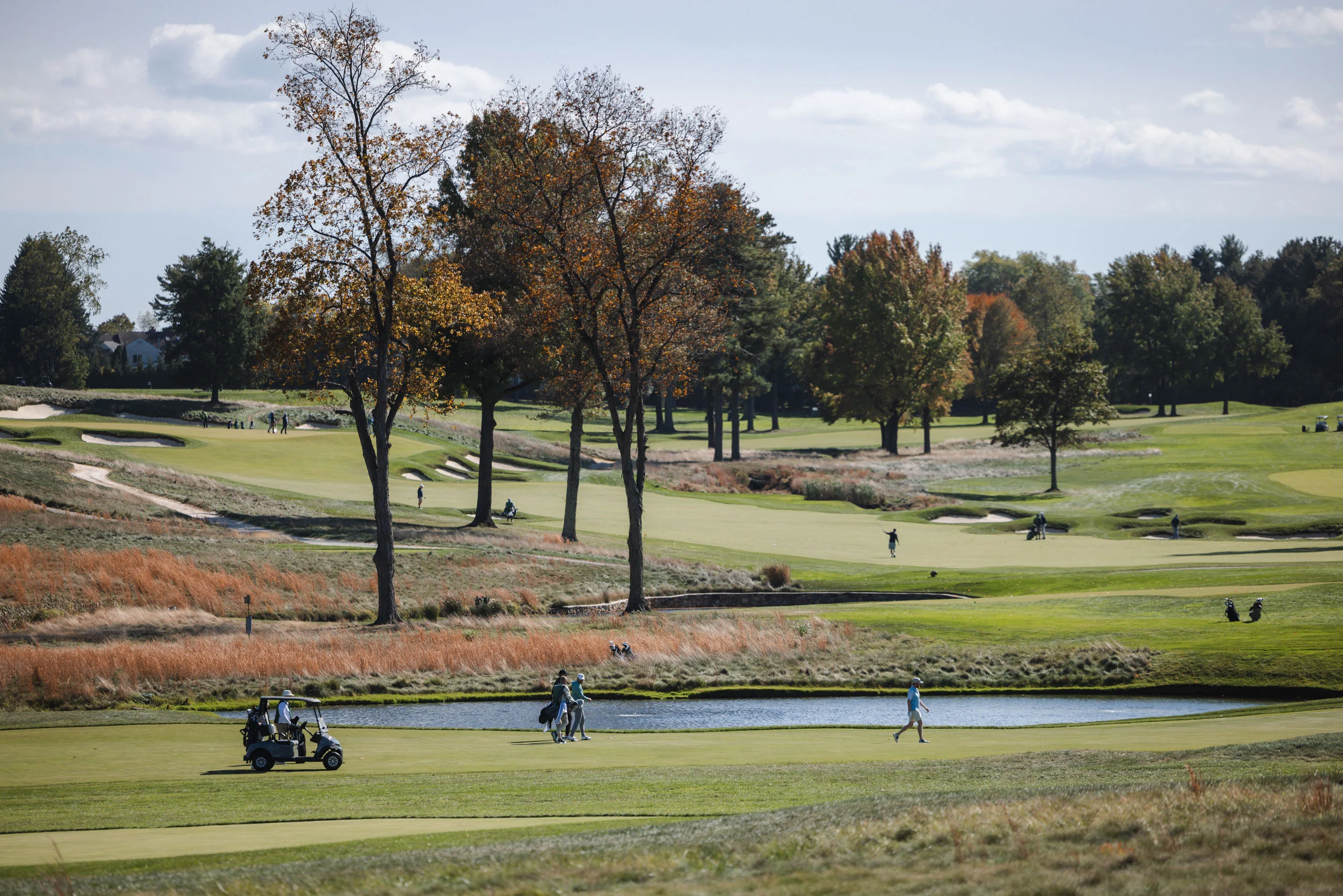
I played Waynesborough last weekend and my only memory was that I made three lazy doubles. But he was right. A lovely place in the world. Old stone homes and rolling hills, horse farms and split-rail fences, restaurants and taverns squeezed into colonial-era inns. It’s a lesson I first learned years ago living in downtown Philadelphia, when we only went to the museums when in-laws came to visit. Guests help shift one’s perspective, and there are tens of thousands here this week to remind me that a golf course I discounted as nice and a neighborhood about which I would say the same—they can be the very best of places, if you let yourself see them with fresh eyes.
Yesterday, I viewed them with a very fresh set of eyes beside me. My wife doesn’t watch a lot of golf let alone play it, but when major golf comes to town, you can expect to play host to a few fans whose interest peaks at casual. It’s a different golf experience, one where you aren’t stuck to a scoreboard or chasing a favorite. It’s a lesson in what most fans are here to do—shop, eat, say they saw Rory and Scottie, and ask questions of the golfer seated next to them.
Allyson posed inquiries for which this so-called expert was unprepared. I didn’t know why those people got to sit down there while we sat up here (some hospitality wristband was involved, I guessed). I couldn’t say whether other tournaments offered free hot dogs and hamburgers. I didn’t know which size sweatshirt looked more comfortable, and while she debated this point in the merch tent, I wished for a marshal to put us on the clock. I knew why the players were touching their golf balls on the putting green—they’re adjusting a line on their ball—but couldn’t make an argument as to why that was fair, or if their line was crooked when the putts dove and missed. And I didn’t know why a player would wear a black-and-navy color combo. They have people who design their looks, I explained. She said those people didn’t know much about planning an outfit.
At day’s end, as we waited for our ride back to the casino, she thanked me for bringing her to the tournament, and I paused. Being thanked as if I’d brought her to my secret or special place—it caught me off guard. She said she’d had a great time, and I realized that I’d been guarded and greedy about golf, assuming she’d find it boring, uninterested in this thing that, aside from our family, was my life’s primary interest.
We had plenty of other things in common—family, travel, books, not to mention devotion and mutual respect—but I’d mostly maintained a church-and-state separation between family and golf. And she was right—it was fun to let that line blur and share the thing you love with the people you love even more. Fun when they want to see what all the fuss was about down the street. Fun for them to enjoy the thing you enjoy. It took a major for us to get there, but when it showed up on our doorstep, the best part of a backyard PGA was watching it with someone who didn’t take a single detail for granted, reminding one of golf’s residents that there’s joy in visiting the places you call home.